
October has brought several important developments across the education sector, from proposed curriculum changes to new opportunities for pupils and a renewed focus on communication skills.
For supply teachers and support staff, keeping up to date with these changes can help you understand the direction education is heading and how developments may influence classroom practice.
In this October education update, we look at five key developments and what they could mean for educators in practice.

Oracy to Become a Key Part of the National Curriculum
On 15th October, Education Secretary Lucy Powell announced plans to give oracy equal status to reading and writing within the revised English curriculum.
Oracy refers to the ability to communicate effectively through speaking and listening. The proposals aim to make these skills a core part of education, from primary school through to GCSE and beyond.
The announcement forms part of the wider National Curriculum review, with the aim of helping children develop the confidence to express themselves, explain their ideas and communicate effectively.
Speaking and listening are already important parts of classroom learning, but the announcement highlights their growing importance across the curriculum.
For supply teachers and teaching assistants, there are simple ways to encourage oracy during everyday lessons. Asking pupils to explain their answers, discuss a topic with a partner or share their ideas with the class can help develop communication skills.
Modelling good listening, asking open-ended questions and giving pupils time to think can also help them feel more confident contributing.
The proposed curriculum changes are still being developed, so there is no immediate new requirement for supply staff to implement. However, building opportunities for speaking and listening into everyday classroom activities is a useful way to support pupils’ learning.
You can read more in the Education Secretary’s speech at the Confederation of School Trusts conference.
New Vocational GCSEs to Expand Practical Learning
On 9th October, the Department for Education published research showing that 84% of young people surveyed supported more opportunities to combine practical technical learning with core academic subjects from age 14.
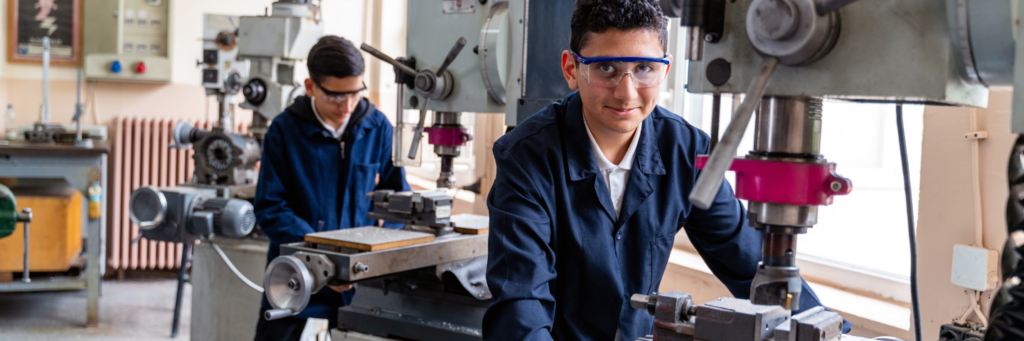
The announcement followed the government’s plans for new Vocational GCSEs, unveiled in September. These qualifications are intended to sit alongside traditional GCSEs and provide young people with additional options in areas such as digital technology, creative media, construction and child development.
The new qualifications are part of wider plans to strengthen technical education and prepare young people for further study and employment. They are expected to become available in some subjects from 2029.
The proposals recognise that pupils have different strengths, interests and ambitions. Alongside academic study, practical learning can help young people develop problem-solving, teamwork and other skills that are valuable in further education and the workplace.
This stands as a reminder to recognise and encourage different approaches to learning. In secondary settings, you may support pupils during practical activities, help them work collaboratively or encourage them to explore subjects that interest them.
These changes will take time to implement, so there is no immediate requirement for supply staff to alter their teaching. Keeping up to date with the options available to pupils can, however, help you understand the changing landscape of secondary education.
Read more: Teenagers back vocational reforms and defy outdated stigma – Department for Education.

SEND Reforms in England: What’s Happening Next?
On 19th October, Tes published an update on the proposed reforms to special educational needs and disabilities (SEND) provision in England, following a change of education secretary earlier this year.
The reforms were originally set out in February and could bring significant changes to how children with SEND are supported in mainstream schools. Some measures are already underway, including additional funding through the Inclusive Mainstream Fund and new SEND training resources for teachers.
Other proposals, including individual support plans for pupils with SEND, are intended for the longer term. The government is still reviewing consultation responses, and important details about how some changes would work in practice remain to be confirmed.
SEND provision is an important part of everyday school life, and supply teachers and teaching assistants may work with pupils who have a wide range of learning, communication, sensory or physical needs.
While the proposed reforms are still developing, inclusive classroom practice remains essential. Taking time to read relevant pupil support plans, following the school’s guidance and communicating with the class teacher or SEND coordinator can help ensure pupils receive appropriate support.
In an unfamiliar school, avoid making assumptions about what a pupil can or cannot do. Follow established routines, provide clear instructions and ask the appropriate member of staff if you are unsure how best to support a pupil.
The proposed reforms are not all immediate changes, so it is important to distinguish current school procedures from measures that may be introduced in the future.
Read more: What’s happening with the SEND reforms? – Tes.

New Initiative Aims to Make PE More Inclusive
In October, Whole School SEND highlighted Equal Play in PE, a programme launched by ParalympicsGB in partnership with NatWest Thrive to help teachers deliver more inclusive PE lessons during the 2026–27 academic year.
The initiative aims to make PE and school sport more accessible to disabled pupils. It will provide practical resources to help teachers adapt activities, including guidance, videos and examples of inclusive PE in action. The programme will initially focus on primary schools before expanding into secondary education.
Research highlighted by ParalympicsGB found that only one in four disabled children regularly participate in PE and school sport, underlining the importance of helping more pupils take part.
For supply teachers and teaching assistants, the initiative is a useful reminder that inclusive practice matters in every lesson, including PE.
Some pupils may need activities adapted to help them participate comfortably and confidently. Checking individual support plans, giving clear instructions and following the school’s guidance on appropriate adaptations can help pupils feel included.
If you’re supporting a PE lesson in an unfamiliar school, take time to understand the planned activities and any individual requirements before the lesson begins. Work with the class teacher and other staff to help pupils participate safely and meaningfully.
Read more: Equal Play in PE — ParalympicsGB.

New Funding Helps Secondary Schools Inspire a Love of Reading
The Department for Education has announced £5 million in funding to help state-funded secondary schools across England expand their book collections and encourage pupils to enjoy reading.
The funding forms part of the National Year of Reading 2026 and is intended to give young people access to a wider range of books and reading materials that reflect their interests, experiences and reading abilities.
Eligible schools will receive an allocation of between £450 and £1,400, depending on their size and levels of disadvantage. Schools do not need to apply, and the funding can be used for printed books, e-books, audiobooks and accessible formats, including large-print and Braille materials.
Access to books that capture pupils’ interests can help make reading more enjoyable, encourage independent learning and support the development of literacy skills.
For supply teachers and teaching assistants, this is a useful reminder to make reading engaging and accessible. Recommending books linked to pupils’ interests, allowing them to explore different genres and encouraging them to share reading recommendations can help foster a positive reading culture.
If you’re working in a secondary school, look out for new books arriving in the library or classroom and encourage pupils to explore the available choices. For pupils who find reading challenging, accessible formats and books suited to their interests may help them feel more confident.
The funding is aimed at expanding reading for pleasure, rather than purchasing textbooks or core curriculum materials. It offers schools an opportunity to refresh their collections and help more young people discover books they genuinely enjoy.
Read more: Funding for books and reading materials for secondary schools – Department for Education.
Staying Informed
October’s updates highlight several areas of change across England’s education sector, from curriculum planning and vocational learning to SEND provision and school inspection.
Some developments are longer-term proposals, while others are steps in ongoing reforms. For supply teachers and teaching assistants, keeping informed can help you understand the wider context of your work while continuing to focus on the needs of pupils in each placement.
At justteachers, we’ll continue sharing education news and updates to help our supply workforce stay informed and confident in their roles.
Thank you for the important work you do supporting pupils and schools every day.