Skip to content


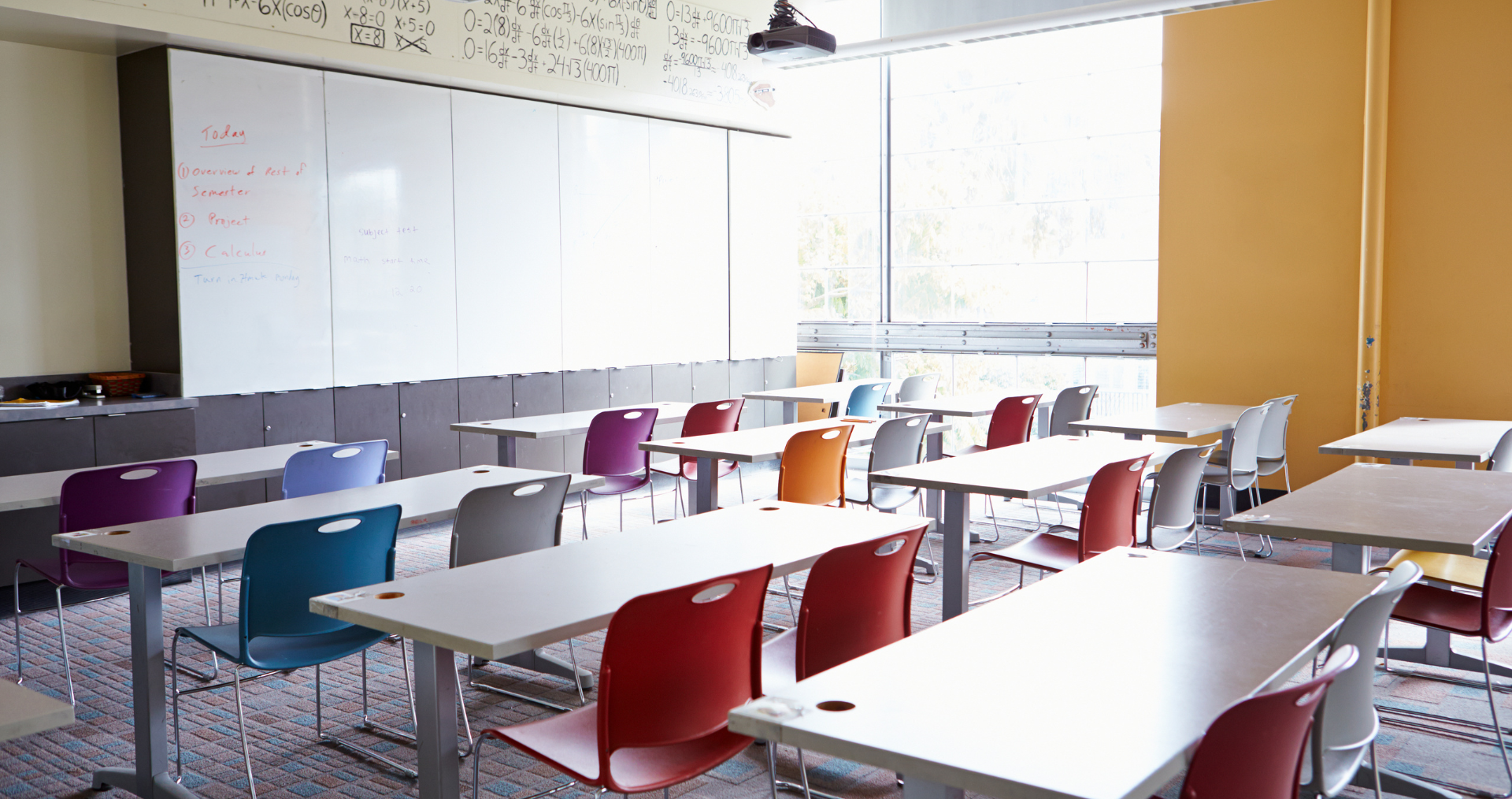
Behaviour management begins before students even arrive into the classroom- it’s that early preparation, such as organising the room layout, that puts you in charge and on the right footing.
Implement a seating plan as soon as students arrive
Remove all chairs from the back row, or move tables closer to the front, so that students have little option but to sit where you want them. Make sure all pupils face you wherever possible- if a learner has their back to you, they will never be fully engaged. If you find yourself facing confrontation (i.e. students refusing to sit where you want them to) then change the layout of the room.
Approach behavioural issues positively
Have a discussion with your pupils as to why each of the rules of the classroom are essential. For example, we should raise our hand when we want to say something, so we are not talking over one another. This way, each person gets an uninterrupted chance to share their thoughts.

Pick your battles
Knowing what minor behavioural discrepancies to ignore is more powerful than noting every infraction, particularly if you are new to the class and on a shorter-term placement. Focus on bigger issues and leave things such as low-level chatting for when routines have been established and implemented.
Delivering instructions
Wait for pupils to be quiet before you deliver any classroom instructions- never do this when students are chatting amongst themselves. Eventually, they will come to realise that the imposed period of ‘silence’ is a time to quieten down. To combat the chatting, simply pull up a chair next to the guilty students and deliver your lesson from there.
Never say please, but always say thank you
“Please” suggests you’re asking a student to do something, and that they can say “No.” Instead, use “Thank you,” which implies your confidence in them that they will follow the instruction. Confidence will then continue into other areas of your behaviour management, and students will begin to follow instructions with less resistance.
Keep to your word
Always make sure you do what you say you will do, and don’t waiver. If you do, every student will begin to test classroom parameters – and suddenly you have 15 behaviour issues instead of one.
Also, give sanctions which befit the misdemeanour and be fair to all pupils. Being fair also means apologising if you have made a mistake. If you’ve gone too far – or worse, you’ve raised your voice – make sure students know you’re aware of your mistake. An apology is often more powerful than anything else.
Offer praise and reward
Simply praising and rewarding good behaviour can be an excellent motivator in class. Subtle use of “Well done” and praising in front of the whole class can have an enormous impact. It is key that students feel as though they matter. Make sure to notice students, recognise when they have made the effort and thank and acknowledge them for their contributions. If others are misbehaving, students will see that motivated and well-behaved pupils have been verbally rewarded and will look to duplicate that behaviour.
Pause before responding
It is important to take a pause before reacting to the behaviour that the pupil is demonstrating- we must take into account that children do not always have the skills necessary to regulate their emotions and communicate their feelings effectively. We need to use these challenging behaviours as learning experiences and teachable moments, to discuss their feelings and behaviour.

If you have any queries, or require any further information surrounding your future bookings, please do not hesitate to contact your consultant.