

Inclusive education is about more than simply placing students with SEND in classrooms – it’s about ensuring every learner feels valued, supported, and able to engage fully with their education. For supply teachers, teaching assistants, and support staff, every interaction and strategy can profoundly impact a student’s learning, confidence, and sense of belonging.
This guide provides practical, evidence-informed strategies to help supply staff create inclusive learning environments where students with SEND can thrive. From classroom design and routines to teaching approaches and collaboration, these strategies ensure inclusion is meaningful and sustainable.

Understanding Inclusion
True inclusion goes beyond physical placement. While integration places students with SEND in classrooms, inclusion ensures that teaching, routines, and the environment are structured so that all learners can participate meaningfully.
As a supply educator, creating an inclusive environment means asking not how a student can fit into a lesson, but how the lesson can be adapted to meet their needs. This mindset shift is central to supporting students with SEND and promoting equity across the classroom.

Barriers to Learning & Participation
Creating an inclusive classroom begins with identifying potential barriers:
Attitudinal Barriers – Low expectations or assumptions about ability can limit engagement. Emphasising strengths and potential encourages students with SEND to succeed.
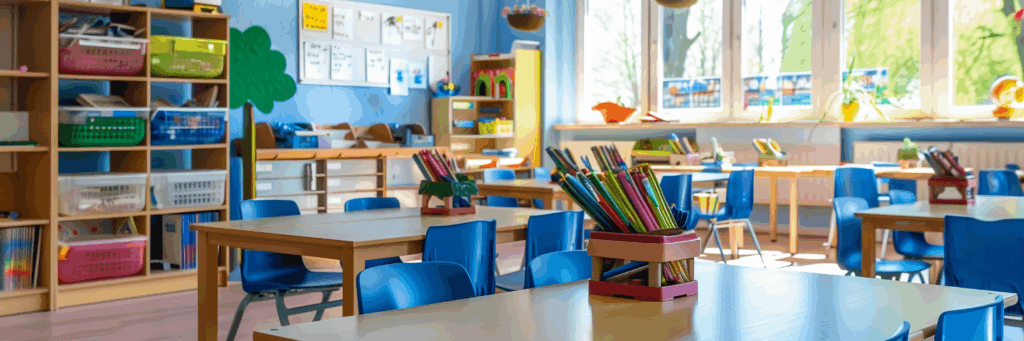
Environmental Barriers – Crowded, noisy, or overstimulating classrooms can hinder focus. Flexible seating, quiet zones, and sensory supports reduce distractions and improve learning access.
Curriculum Barriers – Standard teaching methods or rigid pacing may not suit all learners. Adaptive teaching approaches allow supply educators to respond to individual strengths and needs in real time.
Social and Emotional Barriers – Transitions, emotional regulation, and peer interactions can be challenging. Structured routines, predictable schedules, and supportive relationships foster confidence and independence.
By recognising and addressing these barriers, supply educators can create classrooms that are genuinely inclusive and accessible for students with SEND.

Practical Strategies for Inclusive Classrooms
Creating an inclusive learning environment involves a combination of thoughtful classroom design, adaptive teaching strategies, and strong relationships. The following approaches offer practical guidance for supporting students with SEND.
Adapt the Physical and Sensory Environment
The classroom environment has a direct impact on engagement for students with SEND. Flexible seating options, such as cushions, standing desks, or quiet corners, allow students to choose spaces that support focus and comfort. Sensory supports, including visual aids, fidget tools, or noise-cancelling headphones, help learners regulate attention and emotions. Thoughtful adjustments to lighting, sound, and layout can further reduce distractions, creating an environment conducive to learning for all students.
Create Predictable and Transparent Routines
Predictable routines help students with SEND feel safe and supported. Visual schedules, timers, and step-by-step instructions prepare students for transitions and reduce anxiety. Consistent start-of-day and end-of-day routines establish structure, while short check-ins or mindfulness exercises support emotional regulation. By making expectations clear and consistent, educators promote engagement, independence, and confidence in students with SEND.
Tailor Teaching Approaches through Adaptive Teaching
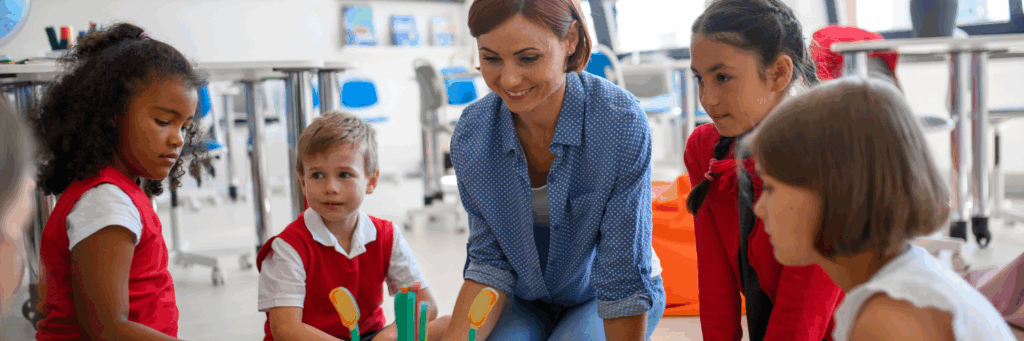
Adaptive teaching is central to inclusive practice. It involves adjusting lessons, resources, and instructional strategies in response to student needs. Breaking tasks into manageable steps, offering scaffolding, and providing supportive prompts helps learners access the curriculum without becoming overwhelmed. Multisensory teaching, combining visual, auditory, and hands-on methods caters to diverse learning preferences. Flexible timing, including additional processing time, ensures students can engage fully at their own pace. Frequent, low-stakes assessments allow educators to monitor understanding and adapt instruction as needed, ensuring all learners remain included.
Build Relationships and Encourage Student Voice
Strong relationships are fundamental to inclusive classrooms. Positive, strengths-based interactions make students with SEND feel valued and understood, which increases engagement and motivation. Involving students in decisions about routines, classroom norms, and learning strategies fosters agency and ownership. Peer-support systems, such as collaborative learning pairs or buddy schemes, promote social inclusion, empathy, and teamwork. By amplifying student voice, educators contribute to a supportive, inclusive classroom culture.
Collaborate and Reflect
Inclusive education thrives on collaboration and reflection. Supply educators should communicate regularly with permanent staff, SEN coordinators, and allied professionals to align strategies and ensure continuity. Keeping reflective notes on effective approaches and areas for improvement allows educators to adapt practice and share insights with colleagues. Engaging in professional development focused on SEND strategies, adaptive teaching, and inclusive pedagogy equips supply staff with the confidence and skills to meet diverse learning needs effectively.

Overcoming Challenges when Supporting Students with SEND
Supply educators face unique challenges when supporting students with SEND, but these can be addressed with practical strategies:
Limited student information – request a profile or summary of individual needs from permanent staff.
Inconsistent expectations – establish routines and clear behavioural guidelines early.
Curriculum pressures – prioritise accessibility and engagement first; learning outcomes will follow.
Behaviour support – use calm communication, structured choices, and de-escalation techniques.
Feeling underprepared – collaborate with colleagues, seek guidance, and reflect daily on practice.
Even in short-term placements, supply educators can make a meaningful impact by applying these strategies consistently.

Measuring Impact and Sustaining Inclusion
To ensure inclusive practices are effective and lasting, it’s important to:
Observe and track progress – monitor engagement, participation, and student responses.
Share feedback – communicate insights with teachers, SEN coordinators, and support staff.
Reflect and adapt – evaluate strategies, refine approaches, and contribute to ongoing improvement.
When these steps are embedded, inclusive environments for students with SEND are sustained, and students can thrive academically, socially, and emotionally.
Creating inclusive classrooms for students with SEND requires thoughtful planning, adaptive teaching, and a commitment to student-centred practice. Supply educators play a crucial role in making learning accessible, engaging, and empowering, even during short-term placements. By adapting environments, routines, and teaching strategies, fostering relationships, and reflecting on practice, supply staff can ensure that inclusion is meaningful and effective.
At justteachers, we are committed to empowering our supply educators with the knowledge and confidence to create truly inclusive learning environments. All registered candidates gain access to our comprehensive online CPD Hub, which offers high-quality training on a wide range of topics, including Inclusion, Adaptive Teaching, and Supporting Learners with SEND. By registering with us today, you can access a wealth of relevant CPD opportunities designed to strengthen your inclusive practice, enhance your classroom impact, and ensure every learner is supported to thrive.